
Questions That Change How Districts Think About Learning Spaces
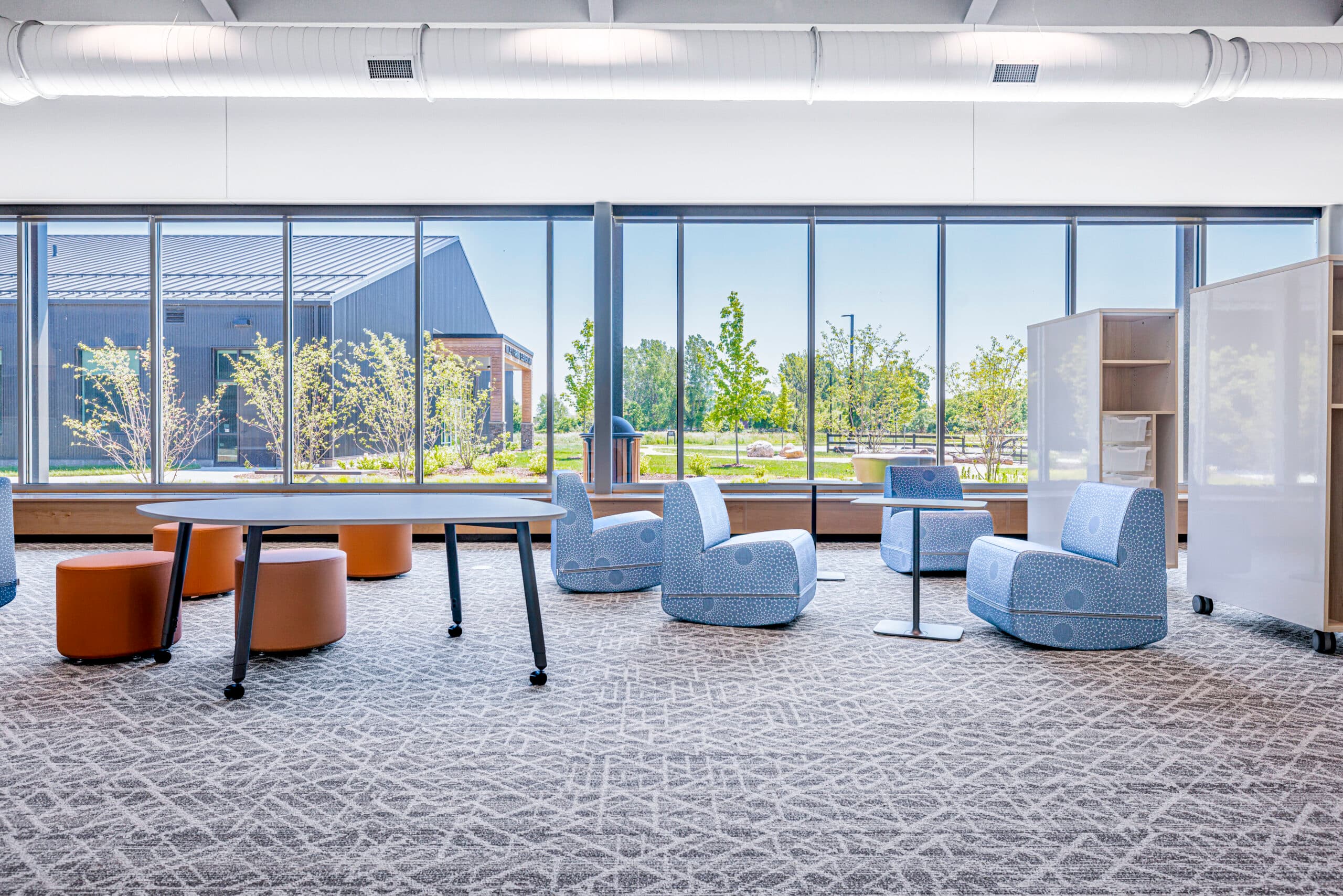
Research shows how physical learning environments affect student outcomes. Here’s how to make sure your next facilities decision reflects that.
Whether it’s a renovation, a bond referendum, or a furniture refresh, there are decisions that shape how students learn long after the ribbon cutting.
Most of us grew up in a classroom that looked more or less the same. A whiteboard at the front. One teacher. Students sitting in uniform rows, everyone facing forward. That arrangement reflected a clear idea about how learning worked. For a long time, it was all anyone knew to expect.
We know a lot more today about how students learn. But the physical spaces where that learning happens haven’t always kept up.
When you’re considering a facilities decision — a bond referendum taking shape, a renovation already underway, a budget cycle where furniture made the list — familiar criteria still apply: cost, timeline, what the space will look like when it’s done.
Those are a good place to start. They’re just incomplete.
We have research and decades of work across more than 120 school districts that add to that framework. Below, we share questions that change how to think about a space before you spend a dime of that well-tracked budget.
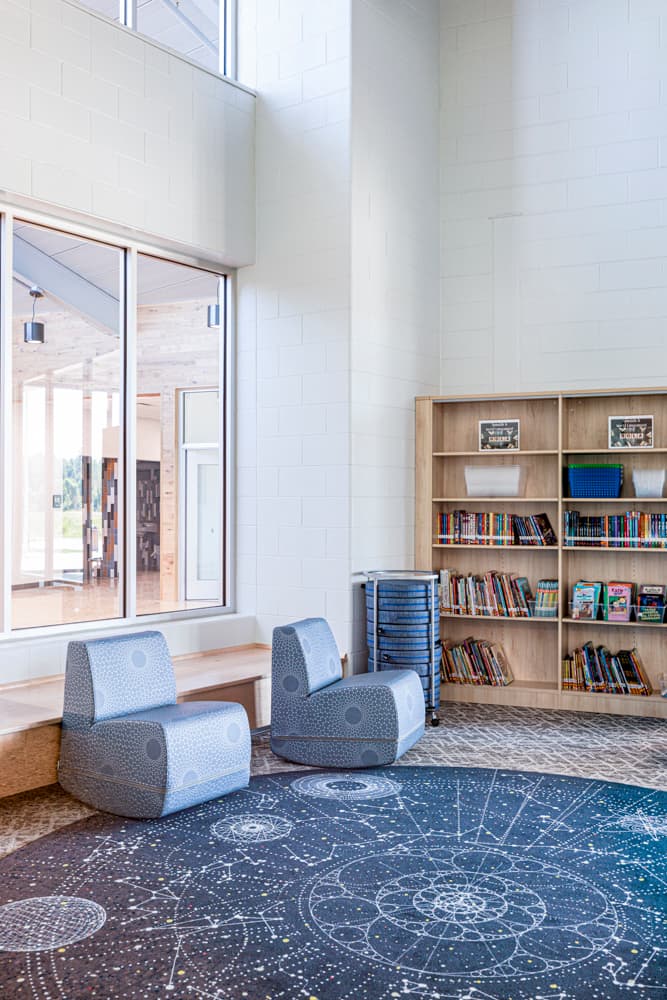
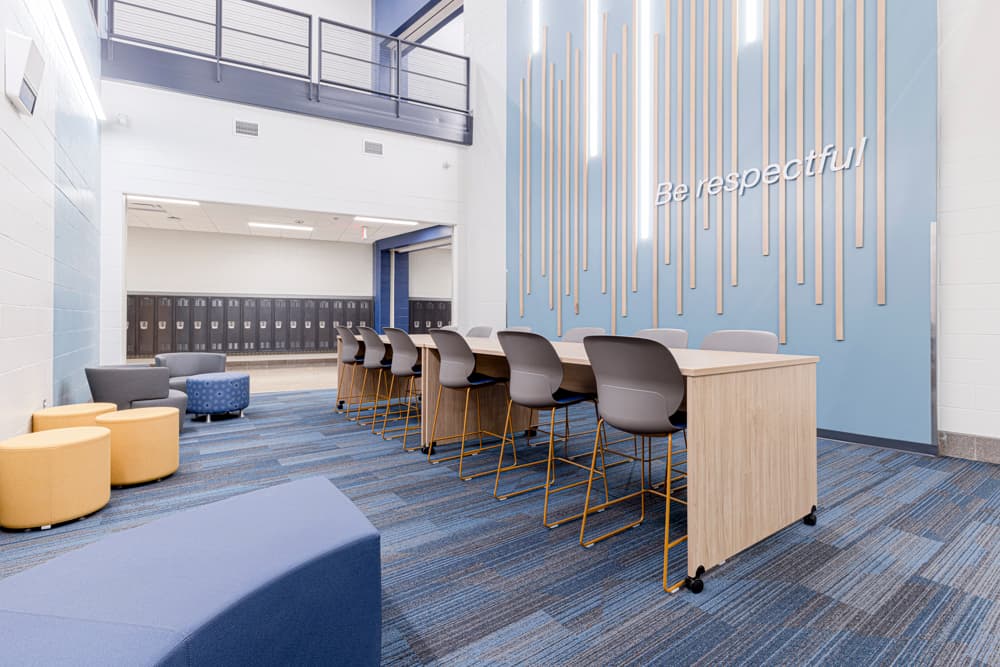
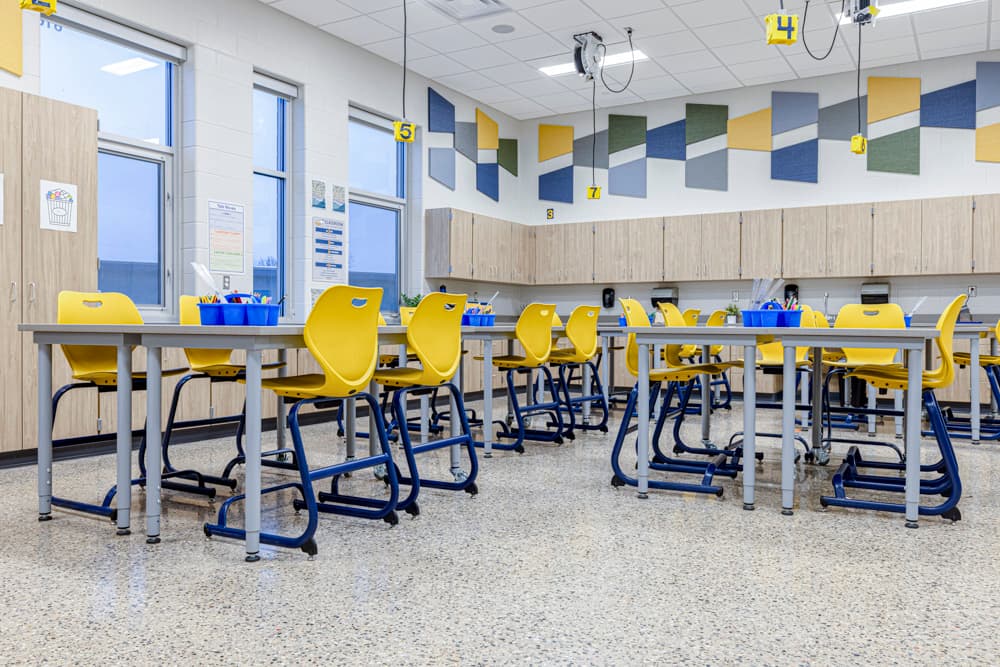
The Physical Learning Environment As a “Third Teacher”
Light, temperature, how furniture is arranged, how much students can move. These conditions affect the physical learning environment or what researchers call the “third teacher.”
The space doesn’t just hold learning. It shapes it.
That phrase began as educational philosophy, but today there’s a growing body of research behind it.
In one of the largest studies of its kind, researchers at the University of Salford examined 153 classrooms across 27 schools and found that classroom design explained 16% of the variation in student learning progress over a year. Perhaps more surprising, classroom-level design mattered more than the building as a whole. The spaces students occupy every day — their light, temperature, air quality, flexibility, and sense of ownership — had a measurable effect on how much they learned.
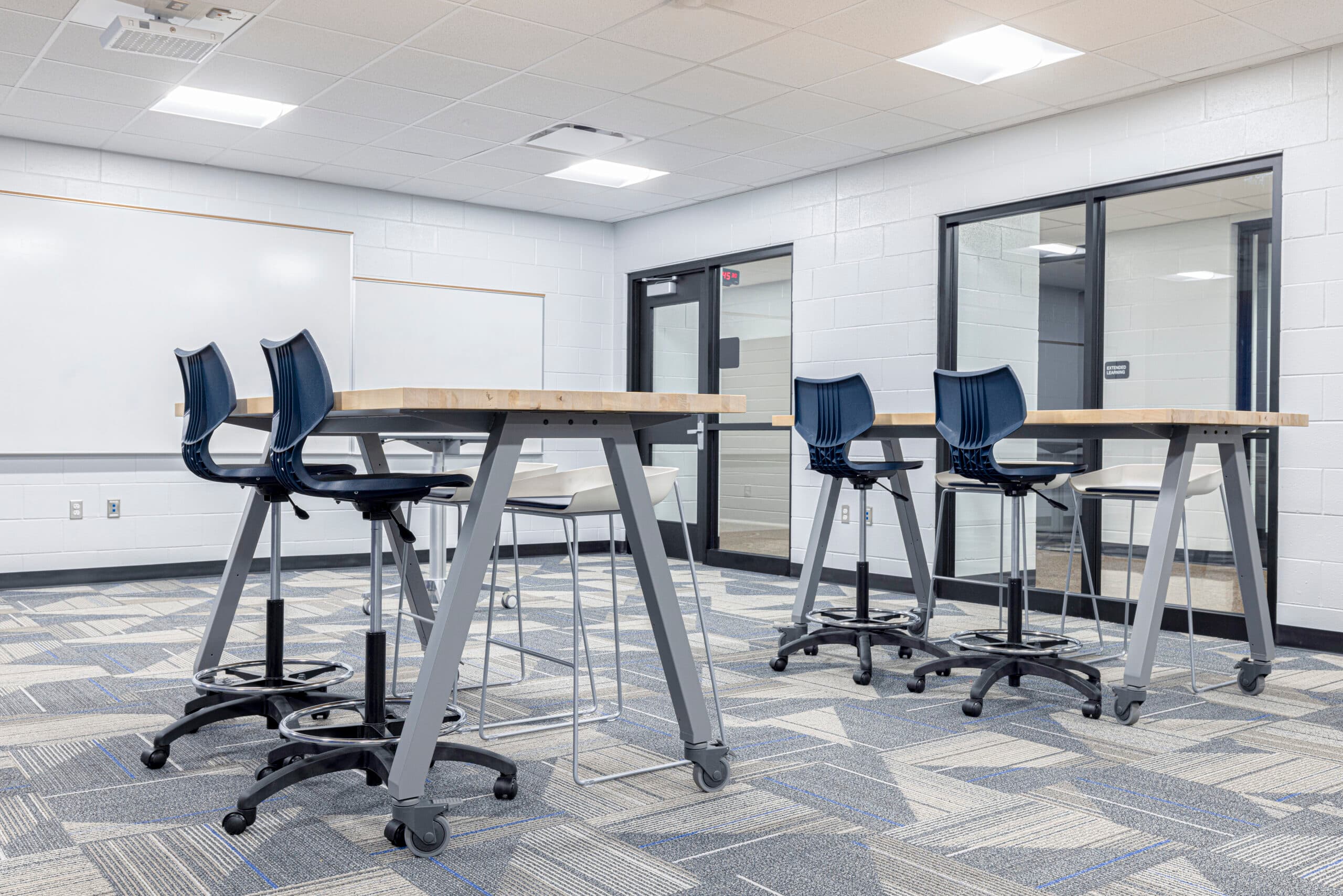
The research doesn’t suggest every facilities investment carries the same weight. In the Salford study, natural light, temperature, and air quality accounted for roughly half of the design effect, while flexibility and student ownership contributed significantly as well.
Which means districts don’t always need a new building to create meaningful change.
Sometimes the highest-leverage decisions happen inside existing classrooms.
The part of the physical environment most directly in a district’s hands is how a space is set up to support the way people actually use it.
Research studying traditional classrooms alongside flexible learning environments found that, even when teachers and curriculum remained the same, students in more flexible spaces demonstrated higher engagement and significantly stronger math performance. In Steelcase Education’s Active Learning Center studies, researchers also observed increases in collaboration, peer interaction, and student engagement when classrooms gave students more choice in how and where they learned.
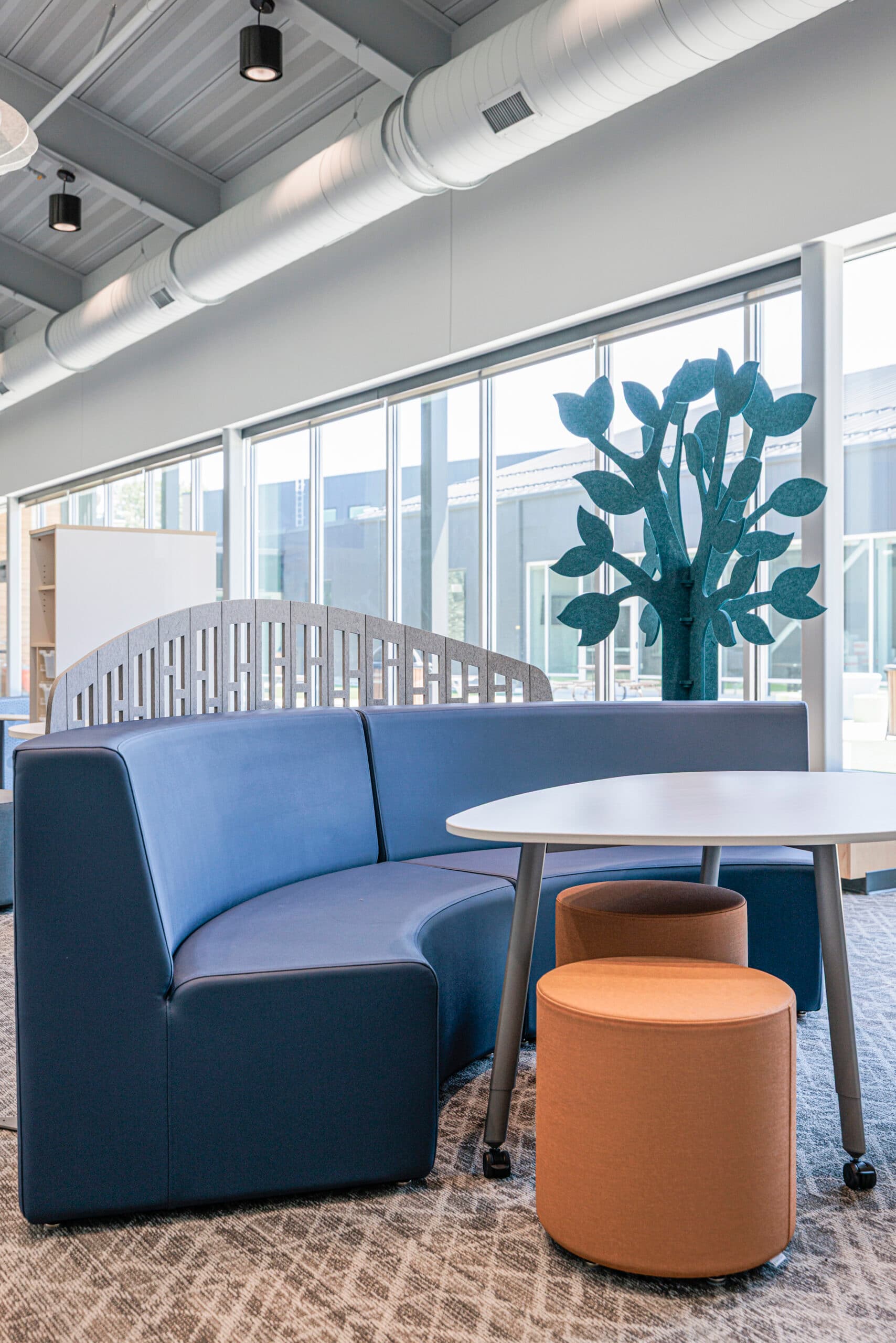
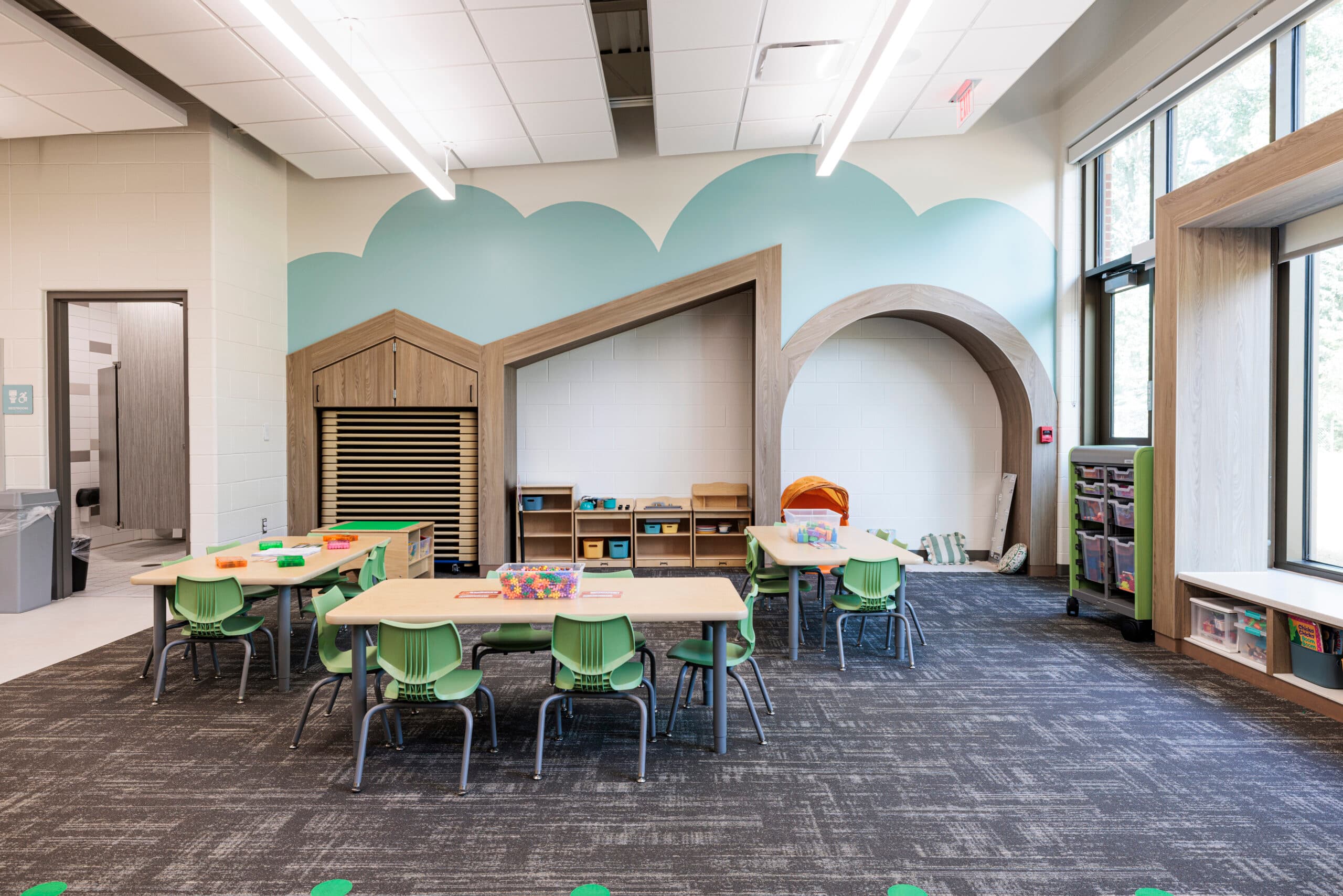
When spaces were designed with movement in mind:
- 79% of students said the active learning environment was better than the traditional classroom
- Motivation to learn increased by 43%
- Creativity increased by 52%
- Instructors said the space finally let them teach the way they wanted to
The spaces in your districts affect students’ learning outcomes. What effect are your spaces having on your students? The research points to the same place every time: what happens in the room depends on how the room is designed. These are the questions that help get that right.
What to Ask Before You Specify Anything
Start with understanding how people behave in the space before a single piece of furniture gets selected.
Here are the questions our team asks when we walk into a school — and the ones worth having in any planning conversation, principal inventory, or board presentation before a facilities decision gets made.
Across all spaces:
- Are there areas where students or staff are making workarounds — propping doors, pulling chairs from other rooms, avoiding certain spaces altogether? Workarounds are the building telling you something.
- What does this space need to do on a day built around collaboration — and what does it need to do differently when independent focus is the goal?
In classrooms:
- Do you want students empowered to move and reconfigure furniture themselves, creating their own setups? Or do you want students moving freely through a space while the layout stays anchored?
- Does the layout allow a teacher to reach every student — or does it create corners the instruction never quite gets to?
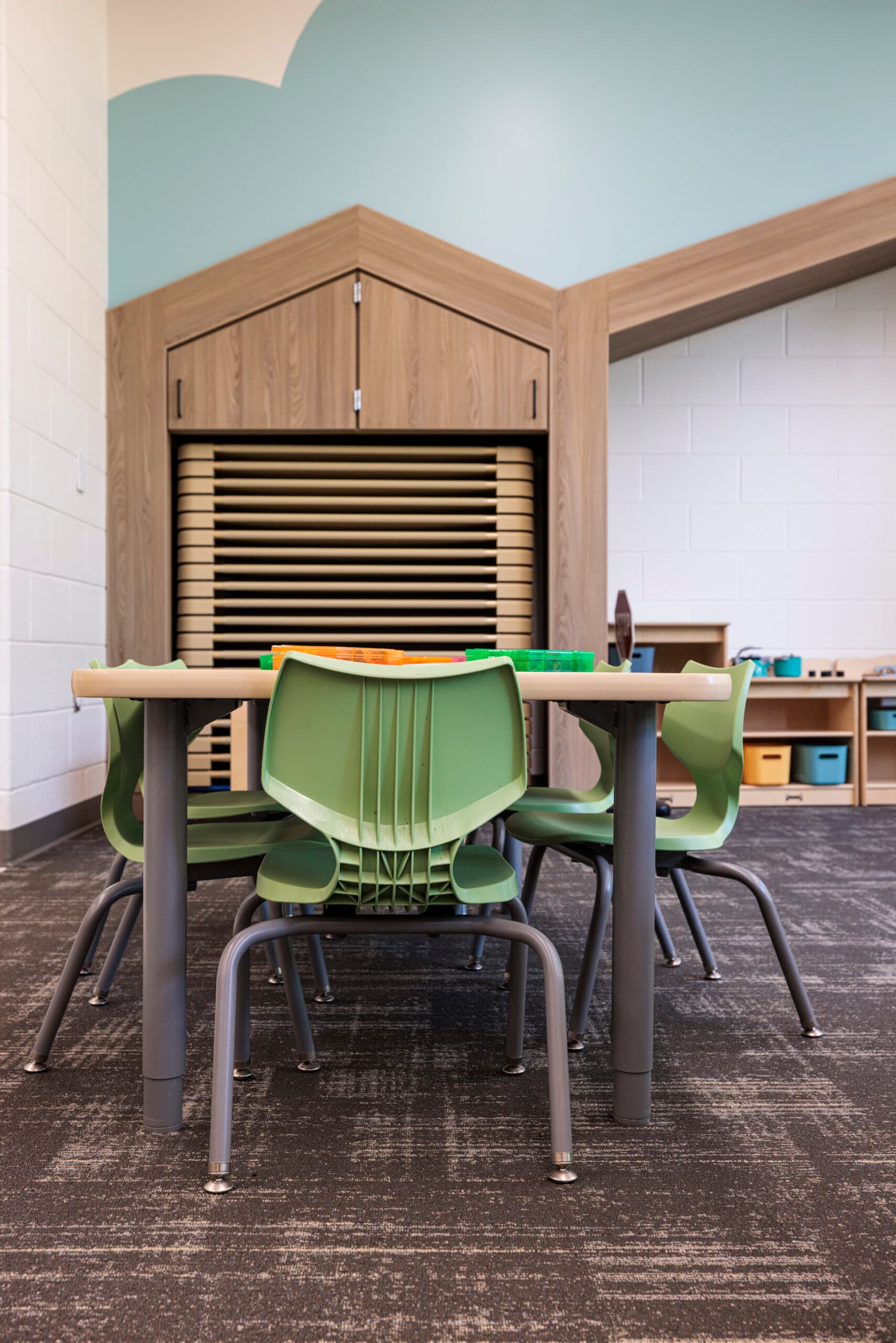
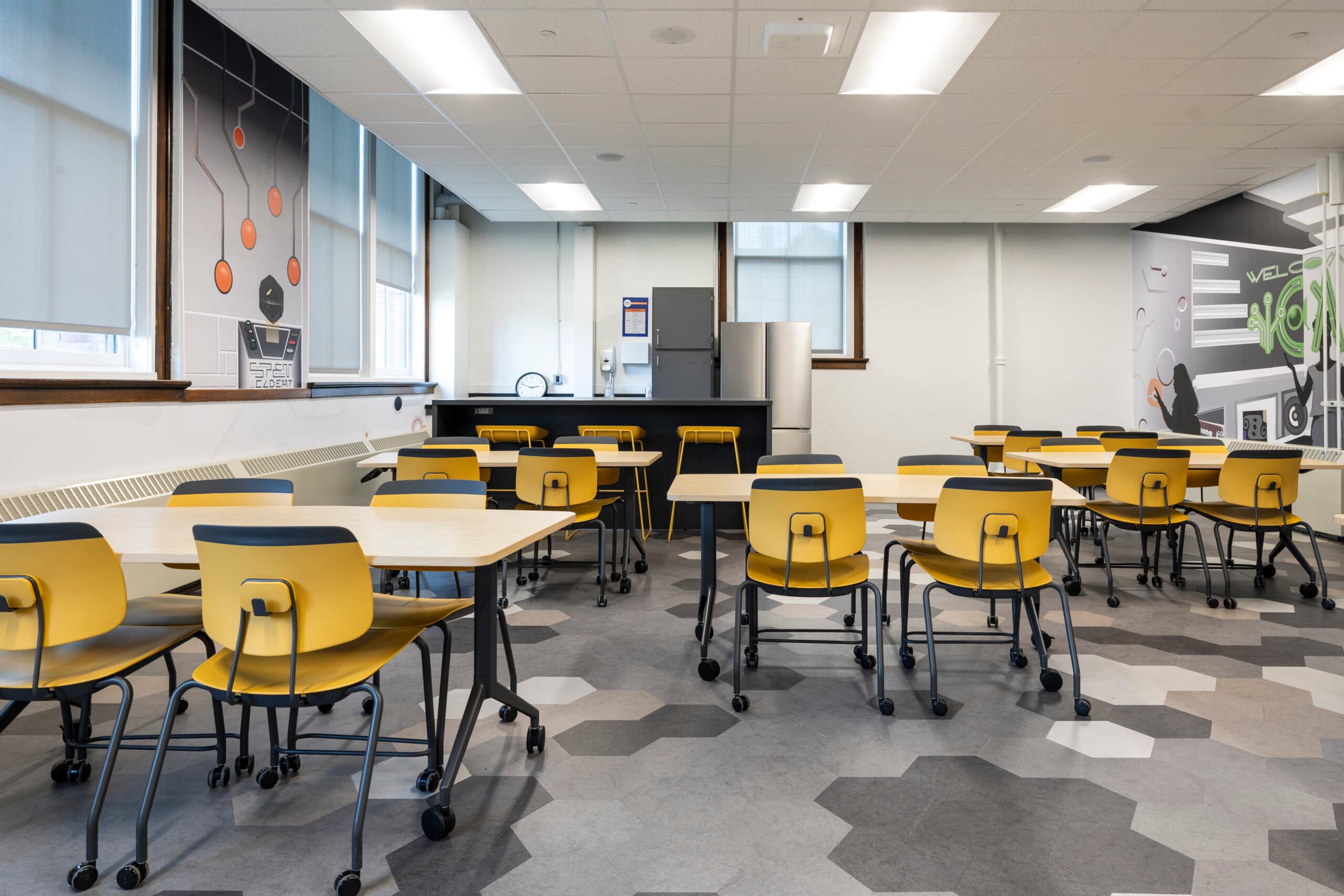
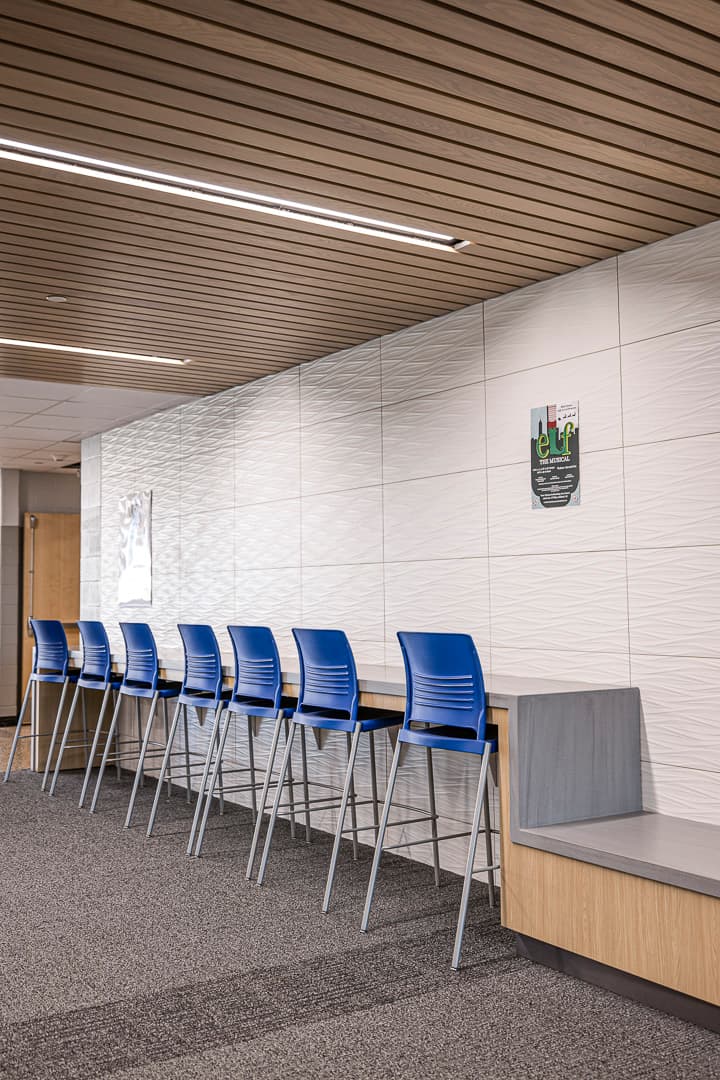
In libraries and learning commons:
- Does the space invite students to stay and work, or does it signal they should keep moving?
- Is there room to support both individual focus and small group work without one undermining the other?
In shared common areas:
- Is there anywhere to think quietly, land between classes, or work in a small group — or does the floor end up being the answer?
When a decision is both consequential and time-bound — when the choices made this year will shape how students learn for the next decade — there are questions worth adding to the discernment process.
They’ve shaped the learning environments we’ve designed across districts. And they’re worth asking whether a full design engagement is on the table or not. The answers to these questions change what you’re looking for, and make it easier to get a project successfully completed.
See What That Looks Like in Practice
One district’s decision to rethink their learning spaces went well beyond new furniture. See what students and teachers experienced when the environment was designed around how they actually learn.